Advice

car needs wheel alignment
Advice

7 Signs Your Car Needs Wheel Alignment in Madison and Why It Matters

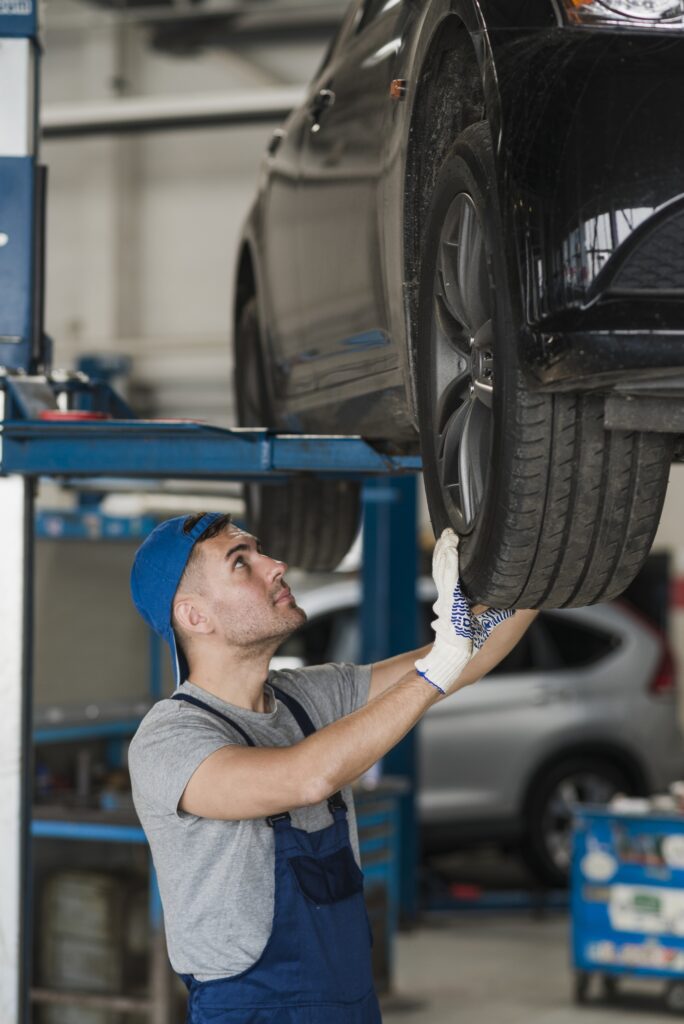
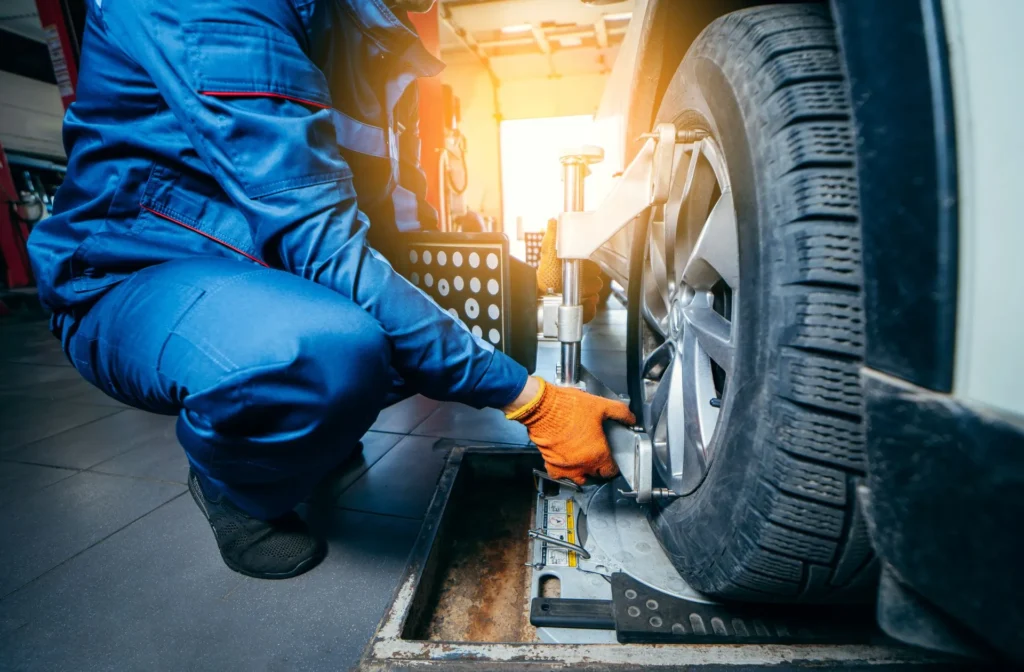
Have you noticed your steering wheel pulling to one side during your commute through Madison? Or perhaps you’ve spotted uneven tire wear that has you worried about safety and unexpected replacement costs? These are telltale signs that your car needs wheel alignment, a critical maintenance service that directly impacts your safety and your vehicle’s performance. Wheel alignment, also called tire alignment, is the adjustment of your vehicle’s suspension system to ensure all four wheels point in the correct direction and make optimal contact with the road. When your alignment is off, even by a fraction of a degree, it affects how your car handles and how long your tires last.  Here are the seven most common signs your car needs wheel alignment, along with a practical alignment checklist you can use today. 1. Uneven Tire Wear One of the clearest indicators that your car needs wheel alignment is uneven tire wear. When you inspect your tires, you should see consistent tread depth across the entire surface. If you notice that the inside or outside edges of your tires are wearing down faster than the center, or if one tire looks significantly more worn than the others, your wheels are likely misaligned. This uneven tire wear pattern can require you to replace your tires prematurely (potentially costing you hundreds of dollars) and reduce traction, increasing your stopping distance. Check your tires monthly by running your hand across the tread surface. If you notice significant differences in tread height or unusual wear patterns such as cupping or feathering, it’s time to schedule an alignment check. 2. Your Vehicle Pulls to One Side Does your car drift left or right when you’re driving on a straight, level road? This steering pull is one of the most common and noticeable signs your car needs wheel alignment. When your wheels aren’t properly aligned, they’re essentially fighting against each other, with some pointing slightly in different directions. It’s worth noting that a slight pull could also indicate uneven tire pressure or a tire problem, so check your tire pressure first. However, if your tires are properly inflated and you’re still experiencing steering pull, alignment is the most likely culprit. 3. Off-Center Steering Wheel When Driving Straight You’re cruising down a straight Madison or Granite City street, your car is going perfectly straight, but your steering wheel is tilted instead of centered. This is a dead giveaway that your vehicle needs wheel alignment. When your wheels are properly aligned, your steering wheel should sit perfectly level when you’re driving straight. An off-center steering wheel means your wheels are pointing in slightly different directions, and you’re unconsciously compensating by holding the wheel at an angle. 4. Steering Wheel Vibration While driving at highway speeds, do you feel vibrations or shaking through your steering wheel? Though vibrations can stem from several issues (including unbalanced tires or worn suspension parts), misalignment is a common cause. At higher speeds, misaligned wheels create an oscillating effect that you feel as vibration in the steering wheel. This not only makes for an uncomfortable drive but also puts unnecessary stress on your vehicle’s steering and suspension systems. If you experience steering wheel vibration along with other signs on the alignment checklist below, misalignment is very likely your issue. However, since vibration can indicate other problems, it’s best to have a professional technician diagnose the root cause. 5. Squealing Tires During Normal Driving Hearing your tires squeal when you’re not making sharp turns or aggressive maneuvers? This noise often indicates that your tires are scrubbing against the pavement rather than rolling smoothly as a direct result of wheel misalignment. When your car needs wheel alignment, the misaligned wheels force your tires to travel at slightly different angles. This causes friction and that distinctive squealing sound, especially during turns or when accelerating from a stop. Beyond being annoying, squealing tires signal that you’re losing fuel efficiency and wearing out your tires much faster than normal.  6. You’ve Recently Hit a Pothole, Curb, or Been in an Accident You don’t always need to wait for symptoms to appear. If you’ve recently hit a significant pothole (and the Granite City area has its share, especially after winter thaws), scraped a curb while parking, or been involved in any collision, even a minor fender-bender, your car needs wheel alignment checked as a precautionary measure. These impacts can instantly knock your wheels out of alignment. After any significant impact, add “check wheel alignment” to your to-do list. Catching alignment issues early, before they cause uneven tire wear or other problems, can save you money and keep you safer on the road. 7. A Drop in Fuel Efficiency Have you noticed you’re filling up your gas tank more often than usual, even though you’re driving the same routes? While many factors affect fuel economy, wheel misalignment is a potential culprit. When your car needs wheel alignment, your engine has to work harder to move your vehicle forward because misaligned wheels create resistance and drag. The difference may seem small, one or two miles per gallon, but over time, this adds up to real money wasted at the pump.  Your DIY Alignment Checklist Before heading to a shop, you can perform some basic checks using this alignment checklist: Look at all four tires for uneven wear patterns. Run your hand across the tread to feel for differences in height. Ensure all tires are inflated to the manufacturer’s recommended PSI (found on a sticker inside your driver’s door). Uneven pressure can mimic alignment issues. On a safe, level road, briefly release the steering wheel to see if your car pulls to either side. While driving straight, observe whether your steering wheel is centered or tilted. Pay attention to any unusual squealing, especially when turning or accelerating. Think about whether you’ve hit any potholes, curbs, or been in any incidents recently. If you notice any of these warning signs, it’s time to schedule a professional alignment check. Remember, some alignment issues are subtle

How to Choose the Right Tires for Your Vehicle | Expert Tire Buying Guide
Advice

How to Choose the Right Tires for Your Vehicle in Granite City

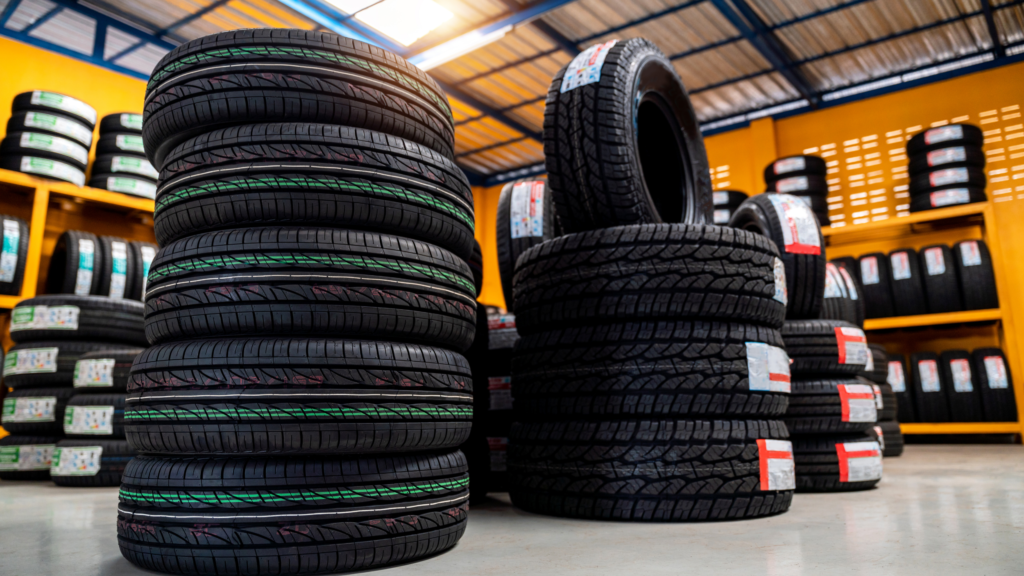
When was the last time you thought about your tires? Most Granite City drivers don’t give them much attention until they’re sliding on black ice or watching fuel costs climb. The reality is your tires are the only thing between your vehicle and the road. The right tires keep your family safe and improve your gas mileage. The right tires for your vehicle depend on how much and where you drive, and local weather patterns. In this guide, we’ll break down everything you need to know to make a confident decision. Understanding Your Tire Size: Reading the Sidewall Code Before you start shopping for tires, you need to know what size fits your vehicle. Look at the sidewall of your current tires, and you’ll see a code that looks something like this: P215/65R15 95H. Here’s what those numbers mean: You can also find your tire size in your vehicle’s owner’s manual or on a sticker inside the driver’s side door jamb. This tire size guide ensures you get tires that fit properly and perform as your vehicle’s manufacturer intended. What Are the Best Tires for Illinois Weather? Illinois weather tests your tires year-round. We experience frigid winters with snow and ice, hot and humid summers, and everything in between. When you’re selecting tires, consider these seasonal challenges: Winter Performance Temperature drops, snow accumulation, and icy patches make winter driving treacherous. Tires need good cold-weather grip and effective water evacuation to prevent hydroplaning on slushy roads. Summer Conditions Hot pavement temperatures can accelerate tire wear. You need tires with compounds that resist heat-related degradation while maintaining traction on dry and wet roads. Spring and Fall Heavy rainfall during transitional seasons requires tires with deep grooves that channel water away from the contact patch. For most Granite City drivers, high-quality all-season tires provide the best year-round solution. They’re engineered to handle our variable weather while delivering good tread life. However, if you frequently drive in heavy snow or icy conditions, dedicated winter tires offer superior cold-weather performance below 45°F. Which Type of Tire Is Right for You? Not all tires are built the same. Here’s what each type actually does for you on Granite City roads: All-Season Tires The most popular choice for Illinois drivers. They provide balanced performance in dry, wet, and light snow conditions. Modern all-season tires have improved winter traction compared to older designs. Winter/Snow Tires Designed specifically for cold weather, these tires use special rubber compounds that stay flexible in freezing temperatures. Their aggressive tread patterns bite into snow and ice. Many drivers switch to winter tires from November through March. Summer/Performance Tires These offer maximum grip and handling in warm weather but lose effectiveness in cold temperatures. They’re not ideal for year-round use in Illinois. All-Terrain Tires Built for trucks and SUVs that venture off-road. They handle dirt, gravel, and mud while still performing adequately on pavement. What Factors Should I Consider When Choosing Tires? What separates a great tire from a mediocre one? These specifications make the difference. Tread Life Measured by warranty miles, this indicates how long the manufacturer expects the tires to last under normal conditions. Premium tires often include warranties from 50,000 to 80,000 miles. Traction Ratings The UTQG (Uniform Tire Quality Grade) system rates traction as AA, A, B, or C. For Illinois weather, look for AA or A ratings to ensure a reliable grip on wet roads. Temperature Resistance Rated A, B, or C, this measures heat dissipation. Higher ratings mean better performance at highway speeds during summer heat. Load Index and Speed Rating Make sure your tires match or exceed your vehicle’s requirements for safe operation. Fuel Efficiency Low-rolling-resistance tires reduce the energy required to move your vehicle, improving gas mileage. This feature can save you money over the life of the tires. Tire Buying Tips for Granite City Drivers When you’re ready to purchase, you’ll face dozens of options and price points. Here’s how to make a smart decision without overspending or second-guessing yourself. Start With Quality Brands You Can Trust Manufacturers like Michelin, Bridgestone, Goodyear, and Firestone didn’t become industry leaders by accident. They invest heavily in research, testing, and technology to create tires that perform better and last longer. While you’ll pay more upfront compared to budget brands, you’re buying proven reliability. Think of it this way: premium tires might cost $150 per tire instead of $80, but if they last 70,000 miles instead of 40,000 and keep you safer in bad weather, that extra investment pays for itself. Match Your Tires to How You Drive If you’re racking up highway miles commuting to St. Louis, look for tires engineered for comfort, low road noise, and fuel efficiency. Those smooth rides at 70 mph matter. But if you’re doing mostly city driving around Granite City—short trips, frequent stops, tight turns—prioritize tread life and all-weather grip. Your tires face different stresses than highway cruisers, so they need different strengths. Don’t Ignore the Comfort Factor Road noise might seem minor until you’re living with the drone of tires for 30,000 miles. Some tire designs create significantly more cabin noise than others, especially as they wear. If a quiet ride matters to you, mention it when shopping. A good tire specialist can steer you toward models known for quiet operation. It’s worth asking about—you’ll be listening to those tires every single day. Understand What Your Warranty Covers A manufacturer’s tread life warranty sounds great, but read the fine print. Most require proof of regular rotations and proper maintenance. More importantly, ask about road hazard protection. Potholes, construction debris, and sharp objects on Granite City roads can damage even brand-new tires. Road hazard coverage means you won’t eat the full replacement cost if you pick up a nail next week. For the relatively small additional cost, it’s often worth the peace of mind. When Should You Replace Your Tires? You can buy the perfect tires for your vehicle, but they won’t protect you forever. Knowing when to replace them before

Scroll to Top